PHP协程初体验
By warezhou 2014.11.24
上次通过C扩展为PHP添加coroutine尝试失败之后,由于短期内啃下Zend可能性几乎为零,只能打语言原生能力的主意了。Google之后发现,PHP5.5引入了Generator和Coroutine新特性,于是才有了本文的诞生。
《当C/C++后台开发遇上Coroutine》
http://blog.csdn.net/cszhouwei/article/details/14230529
《一次失败的PHP扩展开发之旅》
http://blog.csdn.net/cszhouwei/article/details/41290673
Generator
function my_range($start, $end, $step = 1) {
    for ($i = $start; $i <= $end; $i += $step) {
        yield $i;
    }
}

foreach (my_range(1, 1000) as $num) {
    echo $num, "
";
}
/*
 * 1
 * 2
 * ...
 * 1000
 */
图 1 基于generator的range()实现
$range = my_range(1, 1000);

var_dump($range);
/*
 * object(Generator)#1 (0) {
 * }
 */

var_dump($range instanceof Iterator);
/*
 * bool(true)
 */
图 2 my_range()的实现推测
由于接触PHP时日尚浅,并未深入语言实现细节,所以只能根据现象进行猜测,以下是我的一些个人理解:
- 包含yield关键字的函数比较特殊,返回值是一个Generator对象,此时函数内语句尚未真正执行
- Generator对象是Iterator接口实例,可以通过rewind()、current()、next()、valid()系列接口进行操纵
- Generator可以视为一种“可中断”的函数,而yield构成了一系列的“中断点”
- Generator类似于车间生产的流水线,每次需要用产品的时候才从那里取一个,然后这个流水线就停在那里等待下一次取操作
Coroutine
细心的读者可能已经发现,截至目前,其实Generator已经实现了Coroutine的关键特性:中断执行、恢复执行。按照《当C/C++后台开发遇上Coroutine》的思路,借助“全局变量”一类语言设施进行信息传递,实现异步Server应该足够了。
其实相对于swapcontext族函数,Generator已经前进了一大步,具备了“返回数据”的能力,如果同时具备“发送数据”的能力,就再也不必通过那些蹩脚的手法绕路而行了。在PHP里面,通过Generator的send()接口(注意:不再是next()接口),可以完成“发送数据”的任务,从而实现了真正的“双向通信”。
function gen() {
    $ret = (yield "yield1");
    echo "[gen]", $ret, "
";
    $ret = (yield "yield2");
    echo "[gen]", $ret, "
";
}

$gen = gen();
$ret = $gen->current();
echo "[main]", $ret, "
";
$ret = $gen->send("send1");
echo "[main]", $ret, "
";
$ret = $gen->send("send2");
echo "[main]", $ret, "
";

/*
 * [main]yield1
 * [gen]send1
 * [main]yield2
 * [gen]send2
 * [main]
 */
图 3 Coroutine双向通信示例
作为C/C++系码农,发现“可重入”、“双向通信”能力之后,貌似没有更多奢求了,不过PHP还是比较慷慨,继续添加了Exception机制,“错误处理”机制得到进一步完善。
function gen() {
    $ret = (yield "yield1");
    echo "[gen]", $ret, "
";
    try {
        $ret = (yield "yield2");
        echo "[gen]", $ret, "
";
    } catch (Exception $ex) {
        echo "[gen][Exception]", $ex->getMessage(), "
";
    }
    echo "[gen]finish
";
}

$gen = gen();
$ret = $gen->current();
echo "[main]", $ret, "
";
$ret = $gen->send("send1");
echo "[main]", $ret, "
";
$ret = $gen->throw(new Exception("Test"));
echo "[main]", $ret, "
";

/*
 * [main]yield1
 * [gen]send1
 * [main]yield2
 * [gen][Exception]Test
 * [gen]finish
 * [main]
 */
图 4 Coroutine错误处理示例
前面简单介绍了相关的语言设施,那么具体到实际项目中,到底应该如何运用呢?让我们继续《一次失败的PHP扩展开发之旅》描述的场景,借助上述特性实现那个美好的愿望:以同步方式书写异步代码!
第一版初稿
<?php

class AsyncServer {
    protected $handler;
    protected $socket;
    protected $tasks = [];

    public function __construct($handler) {
        $this->handler = $handler;

        $this->socket = socket_create(AF_INET, SOCK_DGRAM, SOL_UDP);
        if(!$this->socket) {
            die(socket_strerror(socket_last_error())."
");
        }
        if (!socket_set_nonblock($this->socket)) {
            die(socket_strerror(socket_last_error())."
");
        }
        if(!socket_bind($this->socket, "0.0.0.0", 1234)) {
            die(socket_strerror(socket_last_error())."
");
        }
    }

    public function Run() {
        while (true) {
            $reads = array($this->socket);
            foreach ($this->tasks as list($socket)) {
                $reads[] = $socket;
            }
            $writes = NULL;
            $excepts= NULL;
            if (!socket_select($reads, $writes, $excepts, 0, 1000)) {
                continue;
            }

            foreach ($reads as $one) {
                $len = socket_recvfrom($one, $data, 65535, 0, $ip, $port);
                if (!$len) {
                    //echo "socket_recvfrom fail.
";
                    continue;
                }
                if ($one == $this->socket) {
                    //echo "[Run]request recvfrom succ. data=$data ip=$ip port=$port
";
                    $handler = $this->handler;
                    $coroutine = $handler($one, $data, $len, $ip, $port);
                    $task = $coroutine->current();
                    //echo "[Run]AsyncTask recv. data=$task->data ip=$task->ip port=$task->port timeout=$task->timeout
";
                    $socket = socket_create(AF_INET, SOCK_DGRAM, SOL_UDP);
                    if(!$socket) {
                        //echo socket_strerror(socket_last_error())."
";
                        $coroutine->throw(new Exception(socket_strerror(socket_last_error()), socket_last_error()));
                        continue;
                    }
                    if (!socket_set_nonblock($socket)) {
                        //echo socket_strerror(socket_last_error())."
";
                        $coroutine->throw(new Exception(socket_strerror(socket_last_error()), socket_last_error()));
                        continue;
                    }
                    socket_sendto($socket, $task->data, $task->len, 0, $task->ip, $task->port);
                    $this->tasks[$socket] = [$socket, $coroutine];
                } else {
                    //echo "[Run]response recvfrom succ. data=$data ip=$ip port=$port
";
                    if (!isset($this->tasks[$one])) {
                        //echo "no async_task found.
";
                    } else {
                        list($socket, $coroutine) = $this->tasks[$one];
                        unset($this->tasks[$one]);
                        socket_close($socket);
                        $coroutine->send(array($data, $len));
                    }
                }
            }
        }
    }
}

class AsyncTask {
    public $data;
    public $len;
    public $ip;
    public $port;
    public $timeout;

    public function __construct($data, $len, $ip, $port, $timeout) {
        $this->data = $data;
        $this->len = $len;
        $this->ip = $ip;
        $this->port = $port;
        $this->timeout = $timeout;
    }
}

function RequestHandler($socket, $req_buf, $req_len, $ip, $port) {
    //echo "[RequestHandler] before yield AsyncTask. REQ=$req_buf
";
    list($rsp_buf, $rsp_len) = (yield new AsyncTask($req_buf, $req_len, "127.0.0.1", 2345, 1000));
    //echo "[RequestHandler] after yield AsyncTask. RSP=$rsp_buf
";
    socket_sendto($socket, $rsp_buf, $rsp_len, 0, $ip, $port);
}

$server = new AsyncServer(RequestHandler);
$server->Run();

?>
代码解读:
- 为了便于说明问题,这里所有底层通讯基于UDP,省略了TCP的connect等繁琐细节
- AsyncServer为底层框架类,封装了网络通讯细节以及协程切换细节,通过socket进行coroutine绑定
- RequestHandler为业务处理函数,通过yield new AsyncTask()实现异步网络交互
第二版完善
第一版遗留问题:
- 异步网络交互的timeout未实现,仅预留了接口参数
- yield new AsyncTask()调用方式不够自然,略感别扭
<?php

class AsyncServer {
    protected $handler;
    protected $socket;
    protected $tasks = [];
    protected $timers = [];

    public function __construct(callable $handler) {
        $this->handler = $handler;

        $this->socket = socket_create(AF_INET, SOCK_DGRAM, SOL_UDP);
        if(!$this->socket) {
            die(socket_strerror(socket_last_error())."
");
        }
        if (!socket_set_nonblock($this->socket)) {
            die(socket_strerror(socket_last_error())."
");
        }
        if(!socket_bind($this->socket, "0.0.0.0", 1234)) {
            die(socket_strerror(socket_last_error())."
");
        }
    }

    public function Run() {
        while (true) {
            $now = microtime(true) * 1000;
            foreach ($this->timers as $time => $sockets) {
                if ($time > $now) break;
                foreach ($sockets as $one) {
                    list($socket, $coroutine) = $this->tasks[$one];
                    unset($this->tasks[$one]);
                    socket_close($socket);
                    $coroutine->throw(new Exception("Timeout"));
                }
                unset($this->timers[$time]);
            }

            $reads = array($this->socket);
            foreach ($this->tasks as list($socket)) {
                $reads[] = $socket;
            }
            $writes = NULL;
            $excepts= NULL;
            if (!socket_select($reads, $writes, $excepts, 0, 1000)) {
                continue;
            }

            foreach ($reads as $one) {
                $len = socket_recvfrom($one, $data, 65535, 0, $ip, $port);
                if (!$len) {
                    //echo "socket_recvfrom fail.
";
                    continue;
                }
                if ($one == $this->socket) {
                    //echo "[Run]request recvfrom succ. data=$data ip=$ip port=$port
";
                    $handler = $this->handler;
                    $coroutine = $handler($one, $data, $len, $ip, $port);
                    if (!$coroutine) {
                        //echo "[Run]everything is done.
";
                        continue;
                    }
                    $task = $coroutine->current();
                    //echo "[Run]AsyncTask recv. data=$task->data ip=$task->ip port=$task->port timeout=$task->timeout
";
                    $socket = socket_create(AF_INET, SOCK_DGRAM, SOL_UDP);
                    if(!$socket) {
                        //echo socket_strerror(socket_last_error())."
";
                        $coroutine->throw(new Exception(socket_strerror(socket_last_error()), socket_last_error()));
                        continue;
                    }
                    if (!socket_set_nonblock($socket)) {
                        //echo socket_strerror(socket_last_error())."
";
                        $coroutine->throw(new Exception(socket_strerror(socket_last_error()), socket_last_error()));
                        continue;
                    }
                    socket_sendto($socket, $task->data, $task->len, 0, $task->ip, $task->port);
                    $deadline = $now + $task->timeout;
                    $this->tasks[$socket] = [$socket, $coroutine, $deadline];
                    $this->timers[$deadline][$socket] = $socket;
                } else {
                    //echo "[Run]response recvfrom succ. data=$data ip=$ip port=$port
";
                    list($socket, $coroutine, $deadline) = $this->tasks[$one];
                    unset($this->tasks[$one]);
                    unset($this->timers[$deadline][$one]);
                    socket_close($socket);
                    $coroutine->send(array($data, $len));
                }
            }
        }
    }
}

class AsyncTask {
    public $data;
    public $len;
    public $ip;
    public $port;
    public $timeout;

    public function __construct($data, $len, $ip, $port, $timeout) {
        $this->data = $data;
        $this->len = $len;
        $this->ip = $ip;
        $this->port = $port;
        $this->timeout = $timeout;
    }
}

function AsyncSendRecv($req_buf, $req_len, $ip, $port, $timeout) {
    return new AsyncTask($req_buf, $req_len, $ip, $port, $timeout);
}

function RequestHandler($socket, $req_buf, $req_len, $ip, $port) {
    //echo "[RequestHandler] before yield AsyncTask. REQ=$req_buf
";
    try {
        list($rsp_buf, $rsp_len) = (yield AsyncSendRecv($req_buf, $req_len, "127.0.0.1", 2345, 3000));
    } catch (Exception $ex) {
        $rsp_buf = $ex->getMessage();
        $rsp_len = strlen($rsp_buf);
        //echo "[Exception]$rsp_buf
";
    }
    //echo "[RequestHandler] after yield AsyncTask. RSP=$rsp_buf
";
    socket_sendto($socket, $rsp_buf, $rsp_len, 0, $ip, $port);
}

$server = new AsyncServer(RequestHandler);
$server->Run();

?>
代码解读:
- 借助PHP内置array能力,实现简单的“超时管理”,以毫秒为精度作为时间分片
- 封装AsyncSendRecv接口,调用形如yield AsyncSendRecv(),更加自然
- 添加Exception作为错误处理机制,添加ret_code亦可,仅为展示之用
测试环境
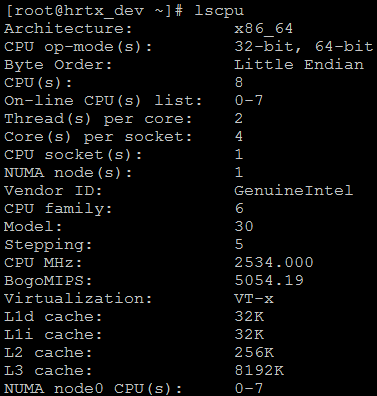
测试数据
| 100Byte/REQ | 1000Byte/REQ | |
| async_svr_v1.php | 16000/s | 15000/s |
| async_svr_v2.php | 11000/s | 10000/s |
- 有兴趣的PHPer可以基于该思路进行底层框架封装,对于常见阻塞操作进行封装,比如:connect、send、recv、sleep ...
- 本人接触PHP时日尚浅,很多用法非最优,高手可有针对性优化,性能应该可以继续提高
- 目前基于socket进行coroutine绑定,如果基于TCP通信,每次connect/close,开销过大,需要考虑实现连接池
- python等语言也有类似的语言设施,有兴趣的读者可以自行研究